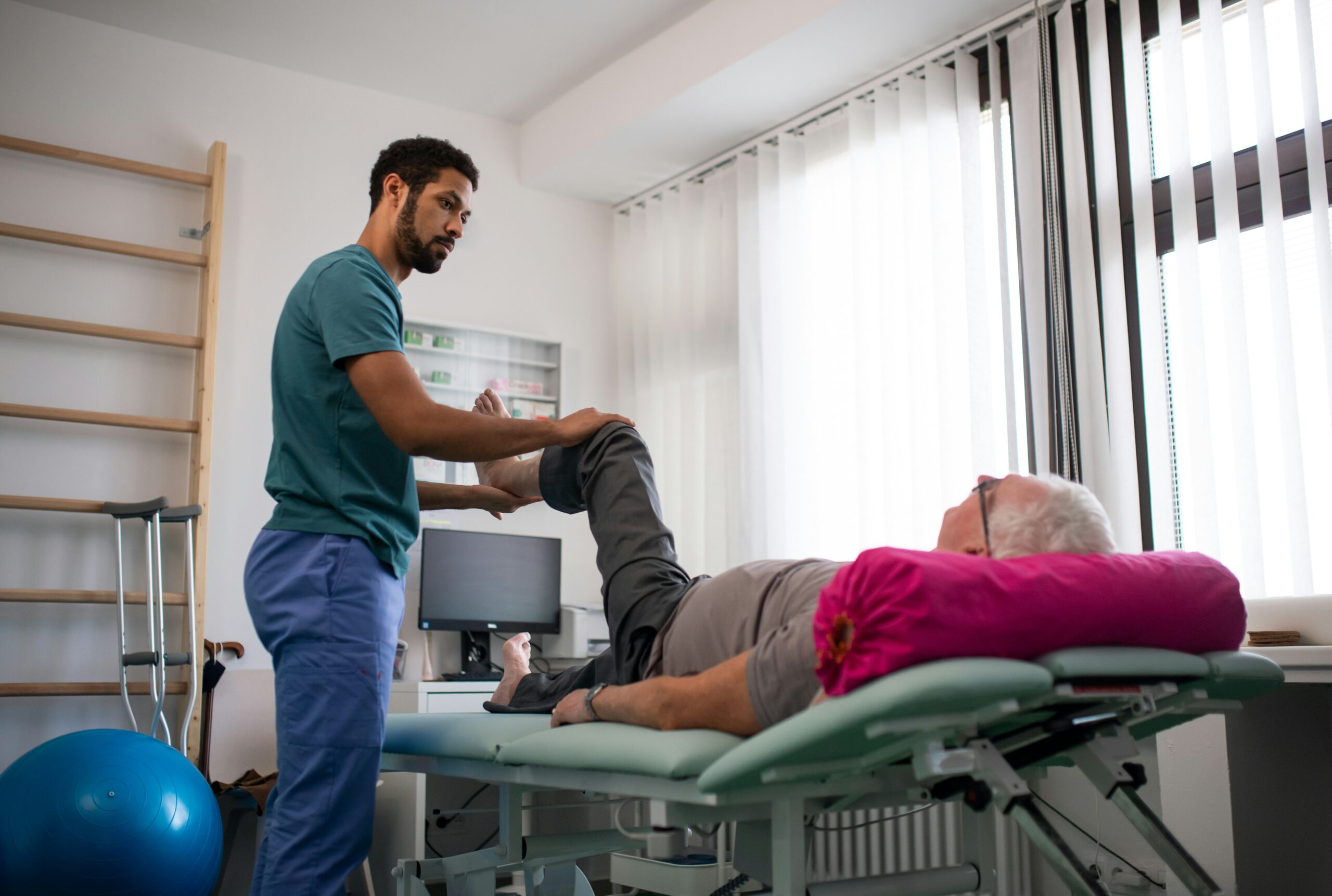
Church and rehabilitation center development plays a vital role in strengthening communities, and it continues to evolve in response to modern social needs. In many regions, faith-based institutions are expanding their missions beyond worship to include recovery, counseling, and social support. As a result, these integrated spaces provide both spiritual guidance and practical assistance for individuals facing addiction, trauma, or life challenges. Moreover, this development approach fosters a compassionate environment where people feel supported in both faith and recovery.
At the same time, combining religious services with rehabilitation programs creates a holistic model of care. Churches have long served as places of refuge; however, when paired with structured rehabilitation services, they become powerful centers for transformation. Consequently, these developments encourage long-term healing, strengthen community bonds, and promote sustainable growth.
Vision and Purpose in Development
A clear vision lies at the core of successful church and rehabilitation center development, ensuring that both spiritual and therapeutic goals align effectively. First, leaders must define the mission by identifying the community’s needs and the specific services to be offered. For instance, some centers may focus on addiction recovery, while others may emphasize mental health or family counseling. Therefore, establishing a clear purpose helps guide decisions on design, staffing, and program development.
In addition, a strong purpose inspires community involvement and long-term commitment. When people understand the impact of such a center, they are more likely to contribute time, resources, or funding. Furthermore, aligning the vision with local cultural and spiritual values increases acceptance and effectiveness. As a result, the development becomes more than just a physical structure; it becomes a meaningful part of the community’s identity.
Strategic Planning and Design
Strategic planning plays a crucial role in creating a functional and welcoming environment and in ensuring that all aspects of the development are thoughtfully considered. Initially, planners must assess the available land, budget, and local regulations to determine feasibility. Afterward, they can design spaces that support both worship and rehabilitation activities. For example, quiet prayer rooms, counseling offices, and group therapy areas should be integrated seamlessly.
Moreover, thoughtful design enhances both comfort and healing, which significantly impacts recovery outcomes. Natural lighting, open spaces, and calming aesthetics can create a peaceful atmosphere for individuals seeking support. In addition, accessibility features ensure that all community members can benefit from the center’s services. Consequently, strategic planning transforms ideas into practical, effective spaces that serve diverse needs.
Community Engagement and Support
Community engagement remains essential for the success of any church and rehabilitation center, and it builds trust and collaboration. First, developers should involve residents, leaders, and organizations in the planning process. This approach not only gathers valuable insights but also ensures that the center addresses real community needs. Additionally, partnerships with healthcare providers and social services can enhance program quality.
At the same time, ongoing engagement strengthens the center’s impact. Hosting events, workshops, and outreach programs encourages community participation and awareness. Furthermore, volunteer opportunities allow individuals to contribute meaningfully, fostering a sense of ownership. As a result, the center becomes a shared resource that benefits everyone involved.
Funding and Resource Management
Effective funding strategies are critical to sustaining development projects and require careful planning and transparency. Initially, developers may rely on donations, grants, or partnerships with nonprofit organizations. However, diversifying funding sources helps ensure long-term stability. For example, hosting fundraising events or establishing membership programs can provide consistent support.
In addition, responsible resource management ensures that funds are used efficiently and ethically. Maintaining clear financial records and accountability builds trust among donors and stakeholders. Moreover, investing in staff training and program development enhances service quality. Consequently, strong financial practices contribute to the center’s longevity and success.
Program Development and Implementation
Developing effective programs is essential to achieving the center’s goals and requires a balanced approach to spiritual and therapeutic care. First, programs should address specific needs such as addiction recovery, mental health support, or vocational training. At the same time, incorporating faith-based elements can provide additional motivation and comfort for participants.
Furthermore, ongoing evaluation and improvement ensure that programs remain relevant and effective. Gathering feedback from participants and staff helps identify areas for growth. In addition, adapting to changing community needs allows the center to remain impactful over time. As a result, well-designed programs create meaningful and lasting change in people’s lives.
Long-Term Impact and Sustainability
Sustainability plays a key role in the long-term success of church and rehabilitation center development, and it requires continuous effort and adaptation. First, leaders must focus on maintaining quality services while expanding outreach. This includes updating facilities, training staff, and exploring new program opportunities. Additionally, building strong partnerships with local organizations can enhance sustainability.
At the same time, measuring impact helps demonstrate the value of the center’s work. Tracking recovery rates, community engagement, and overall outcomes provides valuable insights. Moreover, sharing success stories inspires continued support and involvement. Consequently, sustainable practices ensure that the center remains a source of hope and healing for future generations.
The development of churches- and rehabilitation-centered programs represents a powerful approach to community support and transformation. By combining spiritual guidance with practical care, these centers address complex challenges holistically. Furthermore, thoughtful planning, strong community engagement, and sustainable practices contribute to their success. Ultimately, these developments create spaces where individuals can find faith, healing, and a renewed sense of purpose.