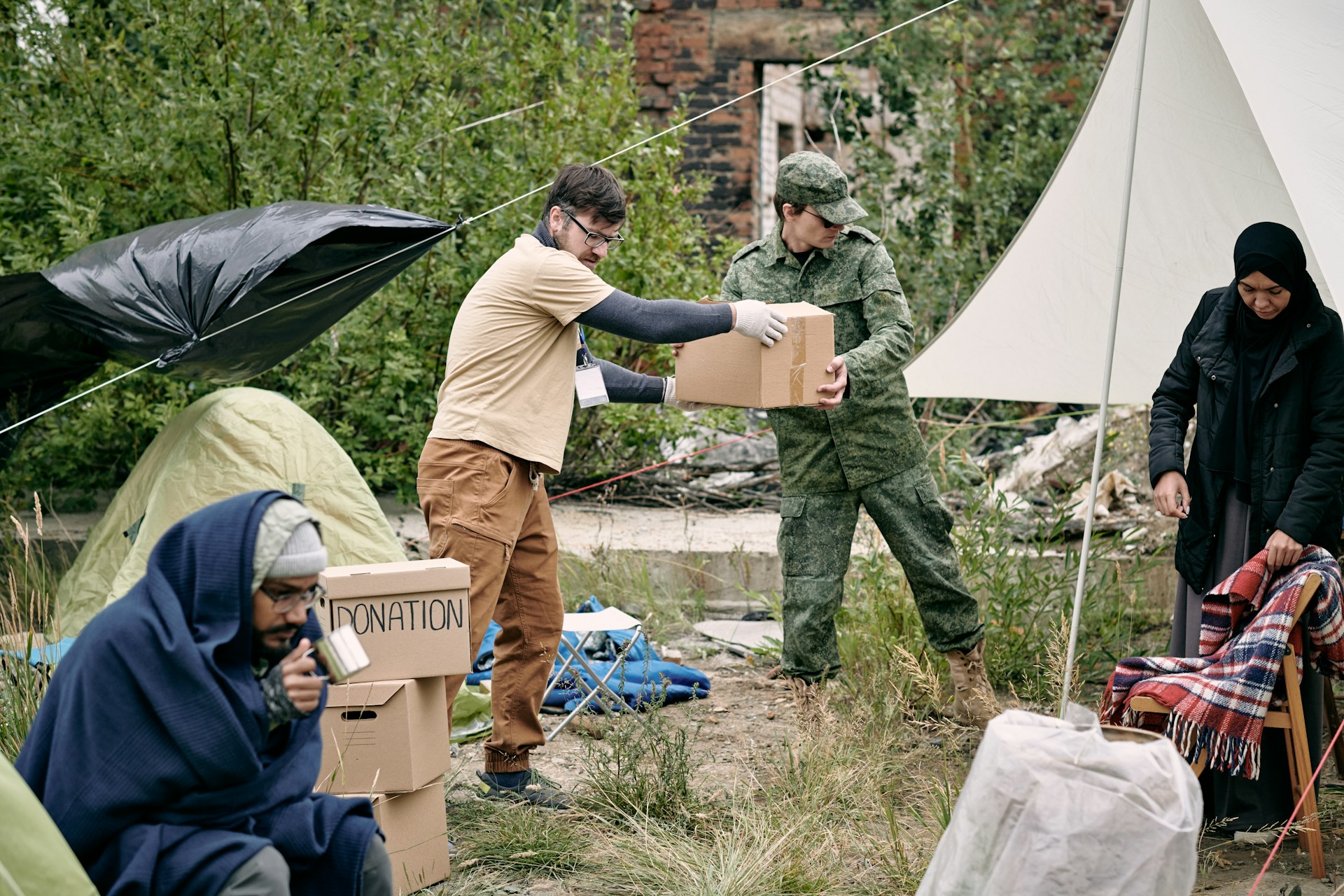
When conflict forces families from their homes, destroys communities, and interrupts daily life, hope often comes from people willing to serve others with compassion. Humanitarian organizations, missionaries, healthcare workers, and local volunteers step into difficult environments to provide food, medical care, education, and emotional support. Their efforts extend far beyond emergency assistance because they help people rebuild lives with dignity and purpose. Although the challenges are enormous, acts of kindness continue to prove that compassion can cross cultures, languages, and borders. This article explores how relief work transforms communities, why lasting relationships matter, and how ordinary people make an extraordinary difference in some of the world’s most difficult places.
Compassion Creates the First Step Toward Recovery
In every crisis, people need more than basic supplies. They also need reassurance that someone cares about their future. Relief workers often become a source of comfort simply by listening, encouraging, and standing beside families during uncertain times. Their presence reminds people they are not facing hardship alone.
Moreover, compassion builds trust faster than any shipment of supplies. When volunteers treat every person with respect, communities become more willing to accept support and participate in rebuilding efforts. This human connection lays the groundwork for meaningful and lasting recovery.
Local Partnerships Strengthen Every Mission
Successful humanitarian work rarely happens without local leadership. Community members understand their culture, traditions, and immediate needs better than outside organizations. Therefore, international teams achieve better results when they work alongside local churches, schools, healthcare providers, and neighborhood leaders.
For example, organizations responding to crises in Ukraine and South Sudan have partnered with local volunteers to distribute aid more effectively. These partnerships improve communication, reduce waste, and ensure that assistance reaches families who need it most. As a result, communities gain stronger ownership of recovery efforts.
Meeting Physical and Emotional Needs Together
Food, clean water, shelter, and medicine remain essential during emergencies. However, emotional healing deserves equal attention because conflict leaves deep psychological scars. Children may struggle with fear, while adults often carry grief after losing loved ones or homes.
Consequently, many organizations combine healthcare with counseling, educational activities, and family support. This balanced approach helps people regain confidence while creating healthier environments for future generations. Healing becomes stronger when both body and mind receive proper care.
Faith Inspires Service Without Boundaries
For many missionaries, faith provides the motivation to serve regardless of personal risk or hardship. Their mission extends beyond preaching because they demonstrate compassion through practical actions that improve everyday life. They often establish schools, clinics, community centers, and training programs that continue serving people for years.
Likewise, humanitarian organizations with different beliefs frequently work together toward the same goal of protecting human dignity. This spirit of cooperation shows that shared values can unite people from many backgrounds. Through disaster response teams, volunteers combine their strengths to serve communities more effectively.
Education Opens Doors to a Better Tomorrow
Conflict often interrupts children’s education for months or even years. Without learning opportunities, young people face greater risks of poverty and limited future prospects. Therefore, restoring education becomes one of the most valuable long term investments after emergencies.
Temporary classrooms, mobile libraries, and community learning centers help students continue their studies despite difficult conditions. In addition, teachers provide structure and stability that help children regain confidence. Education offers more than knowledge because it gives families hope for a brighter future.
Daily Acts of Kindness Build Lasting Trust
Many people imagine relief work as dramatic rescue missions. However, the greatest impact often comes through consistent daily service. Sharing meals, repairing homes, visiting isolated families, and listening to personal stories create meaningful relationships that last beyond the emergency itself.
Furthermore, these small moments inspire communities to care for one another. When neighbors experience genuine compassion, they often begin helping others in return. This ripple effect strengthens social bonds and encourages resilience throughout entire communities.
Overcoming Challenges With Purpose
Working in conflict zones requires flexibility, patience, and careful planning. Security concerns, damaged infrastructure, limited resources, and changing conditions create obstacles that demand creative solutions. Even so, experienced teams continue adapting while keeping people at the center of every decision.
Additionally, successful organizations invest in training local volunteers who can continue serving after international teams leave. This strategy creates sustainable progress because community members possess valuable knowledge and long term commitment. Lasting change grows through cooperation rather than temporary intervention.
Looking Ahead With Confidence and Care
The future of humanitarian service depends on partnerships, innovation, and continued compassion. Technology now helps organizations coordinate supplies, monitor health needs, and communicate more efficiently during emergencies. Still, the heart of relief work remains personal relationships built on trust and respect. Through community resilience initiatives, organizations empower local families to rebuild stronger communities while preparing for future challenges.
Although conflict continues affecting millions of people around the world, stories of courage and generosity remind us that hope never disappears completely. Every volunteer, missionary, healthcare professional, teacher, and community leader contributes to a larger mission of restoring dignity and opportunity. When people choose compassion over indifference, they help transform suffering into strength. Their work leaves a lasting legacy that extends far beyond the front lines and inspires others to serve with the same spirit of kindness.