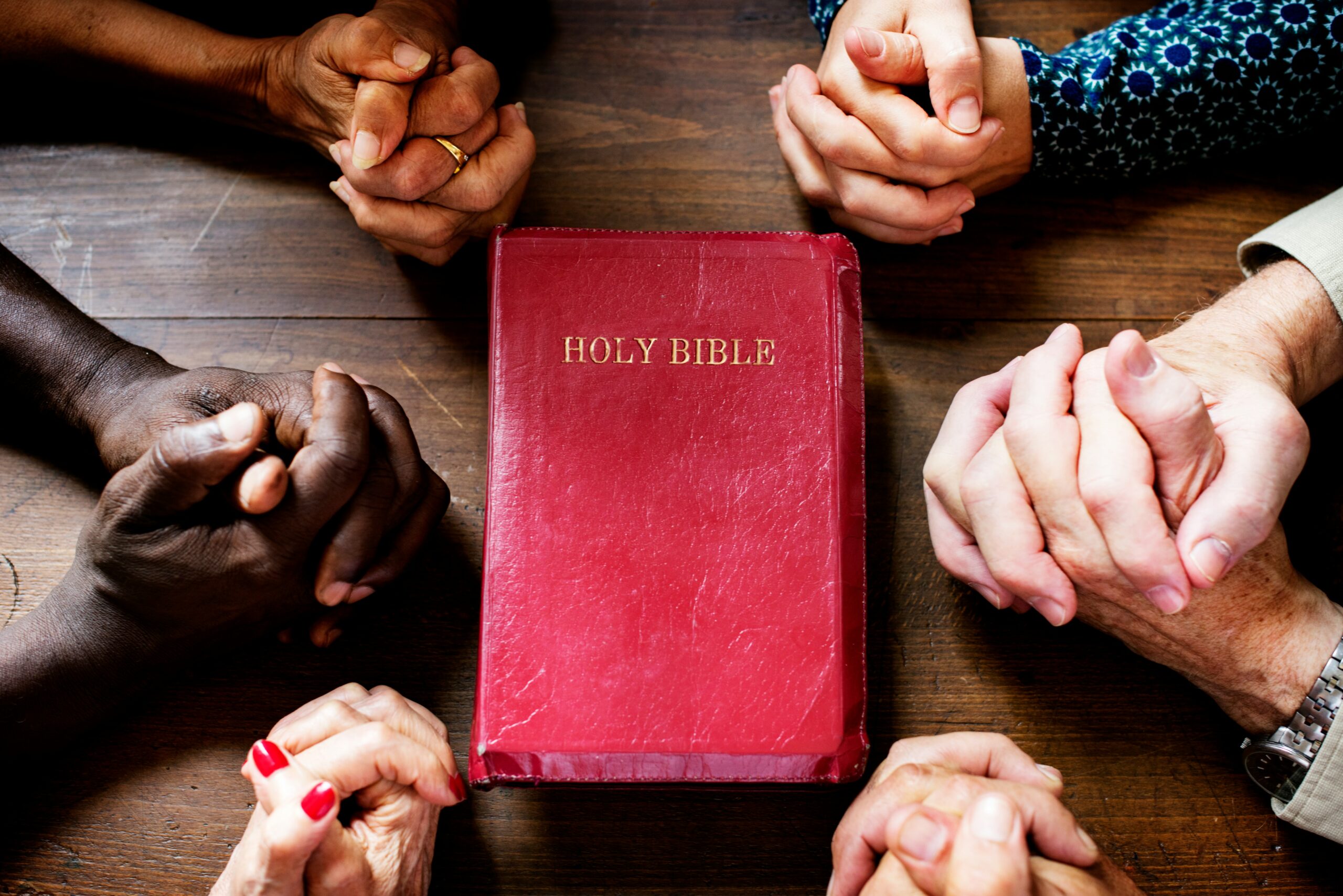
Christian education plays an important role in helping people understand faith, Scripture, and daily Christian living. It gives children, teens, and adults a clear way to learn biblical truth in an organized setting. Bible instruction can happen in churches, schools, homes, small groups, and community programs. The purpose is not only to share information. It is also to help people understand how biblical teaching connects with everyday choices, relationships, service, and personal growth.
Strong Christian education requires patience, clarity, and consistency. People learn best when teachers explain Scripture in a way that is easy to understand and relevant to real life. Good instruction should encourage questions, thoughtful discussion, and practical application. It should also help learners build confidence in reading the Bible for themselves.
Building a Strong Foundation Through Scripture
Christian education begins with a solid understanding of the Bible. Students need to learn the main themes of Scripture, important biblical events, and the teachings that shape Christian belief. This foundation helps people understand how different parts of the Bible connect with one another. Teachers should explain Scripture clearly and avoid making lessons more complicated than necessary. Simple explanations often help students remember important ideas. When learners understand the basic message of a passage, they can begin to think about how it applies to their own lives.
A strong biblical foundation also gives learners confidence. They become more comfortable reading Scripture on their own. Over time, they can recognize important themes, compare passages, and ask better questions about what they read. This kind of growth does not happen in one lesson. It develops through regular teaching, review, discussion, and personal study. Christian education should therefore be viewed as an ongoing process rather than a short course.
Teaching the Bible in a Clear and Engaging Way
Effective Bible instruction depends on communication. Teachers should use language that fits the age and experience of the people they teach. Children often need stories and simple examples, while adults may benefit from deeper discussion and practical reflection. Teachers can keep lessons engaging by connecting biblical ideas with situations people already understand. A lesson about forgiveness may connect with family conflict. A lesson about honesty may connect with school, work, or business decisions.
Clear teaching also means avoiding unnecessary complexity. Students should not leave a lesson confused because the language was too difficult. The goal is to help people understand Scripture, not to impress them with complicated explanations. Good teachers also invite participation. Questions and discussion help students think more deeply. When learners speak, reflect, and respond, they become active participants in the learning process.
Helping Students Apply Biblical Lessons
Bible knowledge becomes more meaningful when people know how to use it in daily life. Christian education should help learners connect Scripture with real decisions, habits, and relationships. Teachers can encourage this by asking practical questions. How does this lesson affect the way a person treats others? What does this passage teach about responsibility, patience, courage, or compassion? These questions move the lesson beyond information.
Application should remain realistic. Students may not change every habit immediately. Growth often happens through small decisions made consistently over time. Teachers should encourage progress without creating unnecessary pressure. The goal is to help people understand biblical principles and apply them honestly in their own circumstances.
The Role of Families in Christian Learning
Families can play a major role in Christian education. Learning does not need to stop when church or school ends. Parents and caregivers can continue biblical conversations at home. Simple habits can make a difference. Families may read a short passage together, discuss a lesson from church, or talk about how faith relates to everyday situations. These conversations help children see that Christian teaching is connected to normal life.
Adults also benefit when families learn together. Parents may discover new insights while explaining Scripture to children. Shared learning can create stronger communication within the home. The goal is not to make every family discussion formal. Natural conversations often work best. Faith becomes easier to understand when it is connected with real experiences.
Supporting Different Ages and Learning Needs
Christian education should recognize that people learn in different ways. A young child, a teenager, and an adult may all study the same biblical truth, but they may need different teaching methods. Children may respond well to stories, repetition, and simple activities. Teenagers often need space to ask difficult questions and discuss real challenges. Adults may appreciate deeper study and opportunities to connect Scripture with work, family, and community life.
Teachers should also pay attention to different learning speeds. Some students understand new ideas quickly, while others need more explanation or review. Patience is essential. Good Christian education does not treat slower learning as failure. It creates a supportive environment where each person has room to grow.
Preparing Teachers for Effective Bible Instruction
Christian education depends greatly on the quality of its teachers. A good teacher should understand the lesson, communicate clearly, and show respect for learners. Preparation matters. Teachers should read the passage carefully before class and think about the main point they want students to understand. They should also prepare examples and questions that support the lesson.
Teachers do not need to have every answer. In fact, it can be helpful to admit when a question requires more study. This shows students that learning Scripture is an ongoing process. A strong teacher also listens well. Students may bring different experiences, concerns, and questions into the classroom. Listening helps the teacher respond in a way that is thoughtful and helpful.
Creating a Safe Environment for Questions
People often have questions about faith, suffering, prayer, relationships, purpose, and biblical interpretation. Christian education should provide space for honest questions. Students should not feel embarrassed for asking something difficult. A safe learning environment encourages curiosity and thoughtful discussion.
Teachers can respond by listening first. They should avoid dismissing questions too quickly. Some questions may have simple answers, while others require careful study. When teachers handle questions respectfully, learners become more willing to participate. This can strengthen both understanding and trust within the group.
Encouraging Consistent Personal Bible Study
Christian education should eventually help people become independent learners. A student should not depend completely on a teacher for biblical understanding. Teachers can show students how to read a passage carefully, notice important details, and think about context. They can also encourage learners to compare related passages and reflect on what they have read.
Consistency matters more than length. A short period of regular Bible reading can be more helpful than occasional long study sessions. Personal study also allows people to move at their own pace. They can return to difficult passages, write questions, and reflect on lessons over time.
Connecting Christian Education With Service
Christian education should influence how people treat others. Biblical instruction often teaches compassion, generosity, patience, responsibility, and care for those in need. Churches and schools can connect lessons with practical service. Students may support community projects, encourage people who are struggling, or participate in outreach activities.
Service helps learners see that faith has a practical side. Christian teaching is not only about what people know. It also affects how they live. These experiences can make lessons easier to remember. When people practice what they learn, biblical principles become part of everyday behavior.