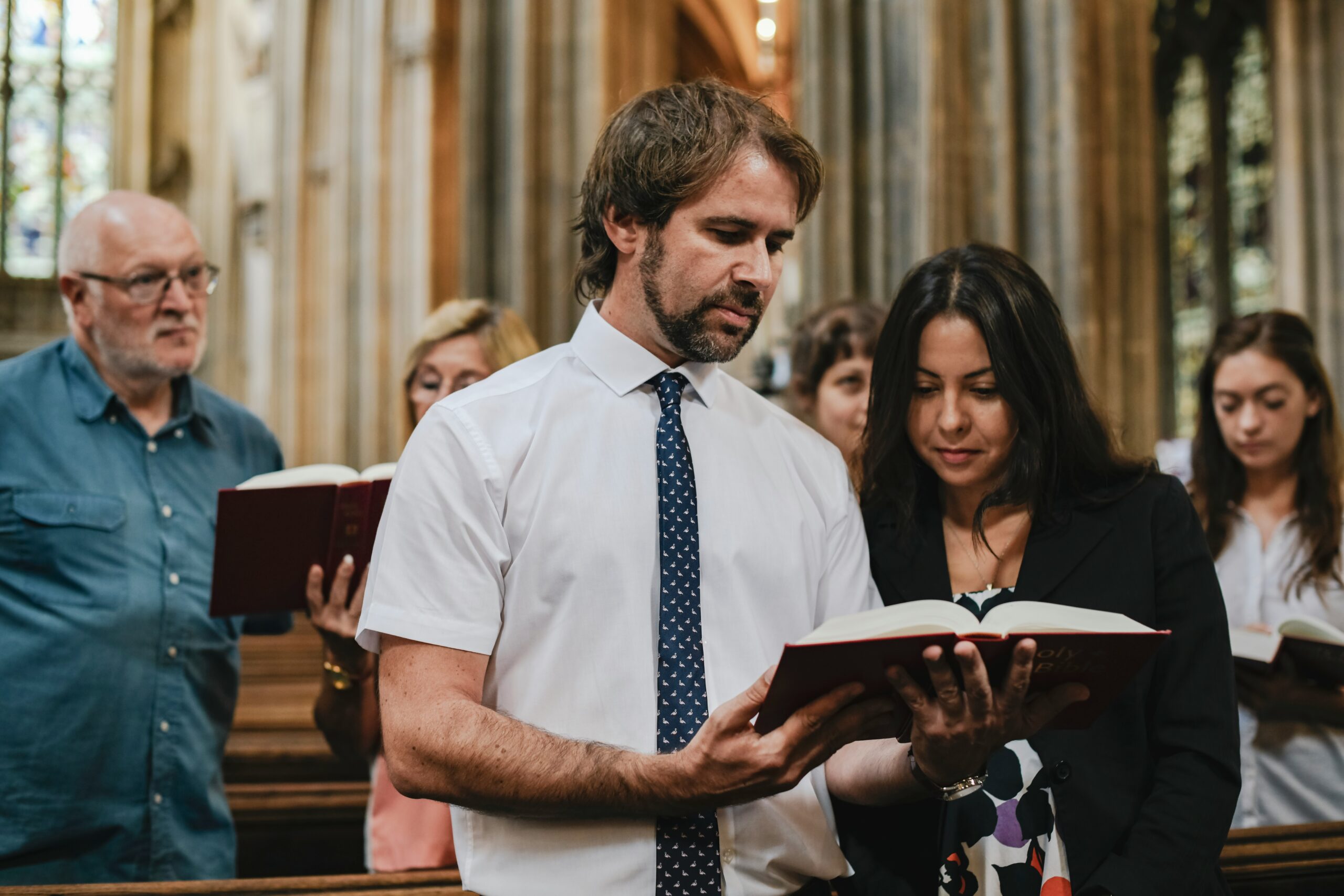
Healthy churches rarely grow from enthusiasm alone. Effective church planting strategies combine spiritual purpose, local insight, disciplined leadership, and sustainable systems. A new congregation needs more than attendance to become strong. It needs relationships, shared responsibility, clear direction, and meaningful community engagement. Therefore, leaders should design ministry around long-term health instead of short-term visibility.
Start With a Clear Mission and Local Understanding
Strong church planting strategies begin with a clear mission rooted in the community. Leaders should define whom they hope to serve. They must also understand local needs, cultures, schedules, and existing relationships. This research helps a church avoid programs that look impressive but solve few real problems.
However, community understanding requires more than demographic reports. Church planters should listen to residents, schools, nonprofits, businesses, and neighborhood leaders. These conversations reveal concerns that statistics often miss. As a result, local church outreach becomes more relevant, respectful, and useful.
Build a Leadership Team Before Building Programs
A church becomes stronger when leadership is shared early. One pastor cannot sustainably carry out preaching, care, outreach, administration, and volunteer development. Therefore, church leadership development should begin before the ministry calendar becomes crowded. Leaders need defined roles, accountability, training, and opportunities to make meaningful decisions.
Shared leadership also creates resilience during change. When responsibilities belong to capable teams, one absence does not stop ministry. Moreover, emerging leaders gain practical experience while receiving guidance. This approach builds a leadership pipeline that supports healthy church growth over time.
Make Discipleship the Core Growth Strategy
Attendance can measure reach, but it cannot fully measure spiritual maturity. Strong congregations create clear paths from first contact to active participation. Effective discipleship strategies help people understand faith, build relationships, serve others, and develop leadership capacity. Consequently, growth goes beyond adding names to a weekly attendance count.
Church planters should make each next step easy to understand. Small groups, mentoring, classes, service teams, and pastoral conversations can support that journey. Still, every activity should connect with a larger discipleship purpose. Otherwise, busy programming can replace meaningful formation.
Use Small Groups to Create Strong Relationships
New churches often attract people before strong relationships exist. Small groups can turn a gathering crowd into a connected congregation. They create space for conversation, prayer, learning, care, and mutual support. Therefore, small-group ministry should become a strategic priority rather than an optional program.
Effective groups also distribute pastoral care across trusted leaders. Members can notice needs sooner and respond with practical support. In addition, groups help newcomers form friendships beyond Sunday services. These connections strengthen a sense of belonging, which supports both discipleship and long-term church health.
Design Local Church Outreach Around Service
Local church outreach works best when service reflects actual community needs. Churches should avoid treating outreach as advertising disguised as generosity. Instead, they should build consistent partnerships and contribute where local organizations already understand the challenges. This approach earns trust because service comes before promotion.
For example, churches might support schools, foster families, recovery programs, food initiatives, or neighborhood projects. Yet leaders should choose commitments carefully. Sustainable service creates more value than occasional events with little follow-through. Over time, dependable community engagement can establish the church as a trusted local partner.
Create Systems That Support Healthy Church Growth
Vision inspires people, but systems help a congregation serve them consistently. Church planting strategies should include simple processes for welcoming guests, following up, training volunteers, managing care, and developing leaders. Without these systems, growth can create confusion instead of momentum.
At the same time, systems should remain flexible. A process that works for fifty people may fail at two hundred. Therefore, leaders should review ministry systems regularly and remove unnecessary complexity. Clear processes free teams to focus on people rather than recurring operational problems.
Measure More Than Sunday Attendance
Attendance matters, but strong congregations track broader signs of health. Leaders can monitor small-group participation, volunteer involvement, baptisms, giving patterns, leadership development, and community partnerships. These measures provide a fuller picture of healthy church growth.
Furthermore, leaders should combine numbers with stories. Data can reveal trends, while personal stories explain what those trends mean. A growing volunteer team may show stronger ownership. A new community partnership may demonstrate increased trust. Together, quantitative and qualitative measures support better ministry decisions.
Protect Culture Through Communication and Accountability
Every new church develops a culture, whether leaders shape it intentionally or not. Clear values help people understand how the congregation makes decisions and treats others. Therefore, leaders should repeat core values through teaching, meetings, onboarding, and everyday behavior.
Accountability also protects the culture from unhealthy leadership patterns. Financial controls, safeguarding policies, leadership reviews, and transparent decision processes build trust. Moreover, healthy correction should occur before small problems become damaging habits. Strong governance supports the ministry rather than competing with it.
Build for Faithfulness and Long-Term Strength
The best church planting strategies create congregations that can serve faithfully beyond the founding season. That requires patient discipleship, church leadership development, reliable systems, and meaningful local church outreach. Leaders should resist growth tactics that create activity without strengthening relationships or responsibility.
Healthy church growth comes from aligned priorities. Mission guides decisions, leaders multiply leadership, discipleship deepens faith, and community engagement builds trust. When these elements work together, a church gains more than momentum. It develops the capacity to remain grounded, adaptable, and useful for years. Such strength helps future generations inherit a congregation prepared to serve with wisdom.