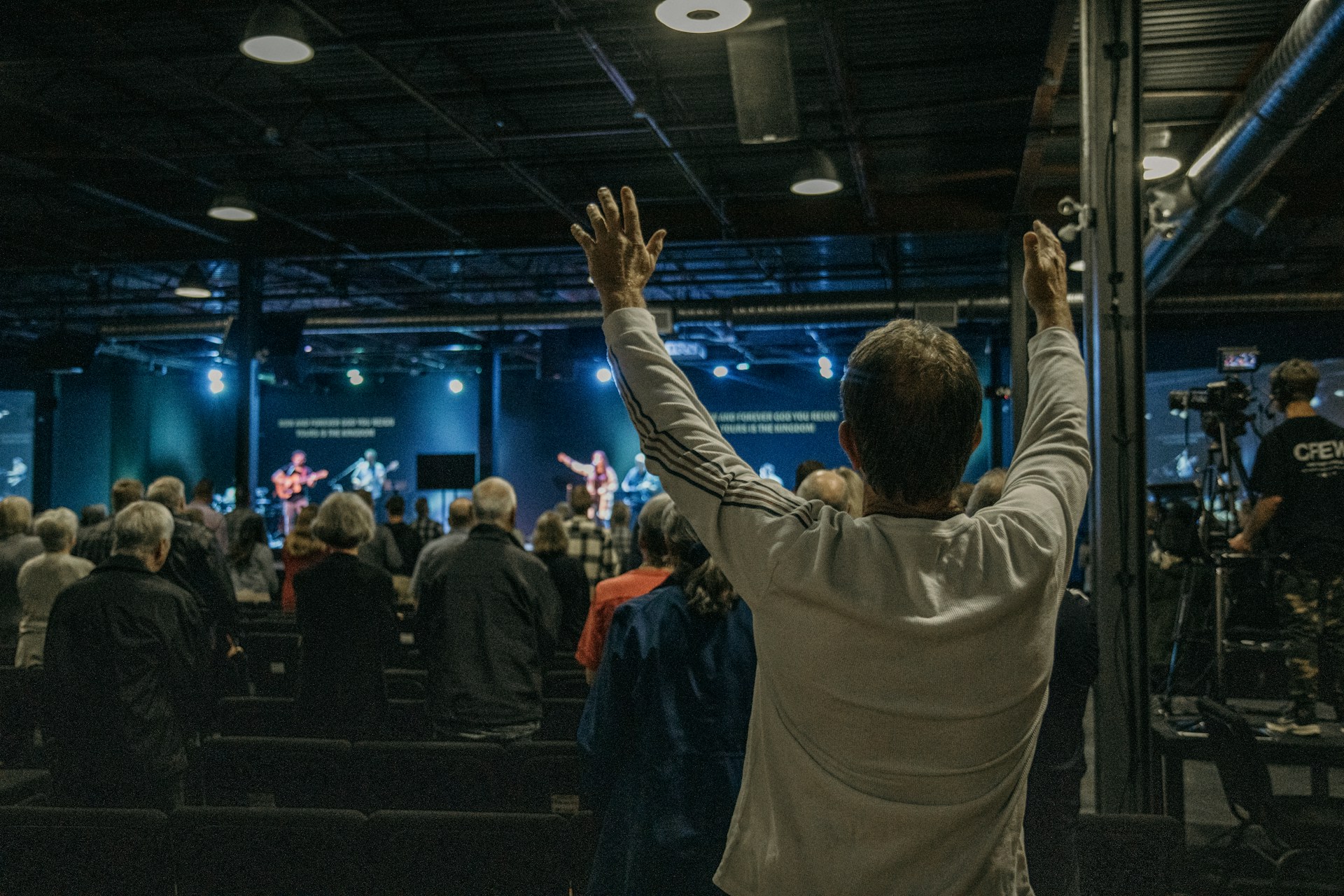
Church planting and congregational renewal help Christian communities respond to new challenges while staying true to their faith. A church should be more than a building where people gather for weekly services. It should be a place where families find support, individuals discover hope, and believers grow closer to God. Today, many congregations are embracing Christian outreach ministry to share the gospel and build stronger ties with nearby communities. New churches offer opportunities to reach people who have little access to Christian worship and fellowship. Existing churches can also regain their strength by improving their ministries and encouraging greater participation. Both efforts depend on spiritual commitment, thoughtful leadership, and a willingness to serve others. Church members must work together to understand local concerns and develop meaningful relationships. Prayer, Bible teaching, and personal care help create a strong foundation for these efforts. When churches focus on people rather than numbers alone, they can develop communities that reflect Christian love and inspire lasting spiritual growth.
Recognizing the Spiritual Needs of Changing Communities
Every community experiences changes that affect the way people live, work, and connect with others. New families may move into growing neighborhoods, while long-time residents may face different social and personal challenges. These changes create opportunities for churches to offer spiritual guidance and practical care. Church planting teams should begin by learning about the people they hope to reach. They can speak with residents, attend community gatherings, and listen to concerns about family life and personal well-being. These conversations help leaders understand what people expect from a caring faith community. Some neighborhoods may need more opportunities for Christian worship and Bible study. Others may benefit from family support groups or activities that encourage meaningful friendships. Church leaders should use this knowledge to shape their ministry plans. A congregation that understands its neighbors can develop programs that reflect genuine needs and encourage lasting relationships.
Understanding spiritual needs also requires churches to pay attention to people who feel disconnected from religious life. Some individuals may have stopped attending church because of difficult experiences or changes in their personal lives. Others may be interested in Christianity but feel uncertain about visiting a congregation. Church members can respond by creating friendly settings where people feel respected and comfortable. Small prayer gatherings, neighborhood meals, and informal Bible discussions can provide welcoming starting points. Leaders should allow visitors to ask questions and explore faith without pressure. Personal conversations often help build trust more effectively than large public events. Churches should also consider the needs of children, young adults, parents, and older residents. Each group may need different forms of encouragement and spiritual care. By listening carefully and showing genuine kindness, churches can become trusted places where people find friendship, guidance, and hope.
Starting New Churches With Strong Roots and Shared Values
A new congregation needs a clear spiritual purpose before it begins expanding its activities. Church planting leaders should explain their mission and help the founding group understand its shared responsibilities. This mission should reflect Christian teachings and a sincere desire to serve the surrounding community. Early gatherings can take place in homes, rented rooms, or other suitable meeting spaces. Large buildings are not necessary for people to begin worshiping and learning together. What matters most is creating an environment where members feel connected and supported. Regular prayer meetings and Bible studies can help the founding group develop healthy spiritual habits. Members should also have opportunities to share their personal experiences and encourage one another. These simple gatherings can establish trust and prepare the congregation for future responsibilities. Strong relationships during the early stages often help new churches remain united when challenges arise.
Practical preparation is also important for creating a stable and welcoming congregation. Church leaders should develop a schedule that allows members to attend worship and fellowship activities regularly. They must also consider meeting expenses, teaching materials, volunteer support, and other basic needs. A realistic budget helps the church manage its resources without creating unnecessary financial pressure. Leaders should explain how contributions are used and encourage responsible decisions. New churches may also benefit from partnerships with established congregations that can provide advice and ministry experience. Experienced pastors can help new leaders understand common challenges and prepare suitable responses. Volunteers should receive clear instructions about their roles in worship, teaching, and community activities. Church teams can review their progress regularly and make changes when necessary. With careful planning and consistent spiritual care, a new congregation can build a dependable foundation for future ministry.
Restoring Congregational Life Through Trust and Active Involvement
Established churches sometimes face difficulties that reduce their energy and sense of shared purpose. Attendance may decrease, volunteer groups may become smaller, and familiar programs may no longer meet people’s needs. These changes can create concern among members who care deeply about their congregation. Church leaders should respond by encouraging honest conversations and listening to different experiences. Some members may feel overlooked, while others may want more chances to contribute. Pastors can organize meetings where people discuss concerns and suggest improvements in a respectful setting. These discussions can help identify problems that need immediate attention. Prayer and shared reflection also allow members to consider the church’s mission and spiritual responsibilities. Renewal should begin with a desire to rebuild relationships rather than simply increase attendance. When people feel heard and valued, they often become more willing to support meaningful changes.
Helping a congregation regain strength requires steady action and shared responsibility. Churches can introduce small fellowship groups where members study Scripture and discuss everyday concerns. They may also organize family gatherings, youth activities, and opportunities for older adults to share their knowledge. Such programs can encourage people from different generations to learn together. Through congregational faith renewal, churches can help members rebuild spiritual habits and develop a deeper sense of belonging. Leaders should explain the purpose of new activities and welcome suggestions from volunteers. Changes should be introduced carefully so members have time to understand and support them. Regular communication can prevent confusion and strengthen trust between leaders and the congregation. Recognizing small signs of progress can also encourage continued participation. As members develop stronger friendships and become more involved, the church can regain a sense of unity and direction.
Developing Caring Leaders Who Inspire Shared Ministry
Church leadership has a strong influence on how members experience worship, fellowship, and service. Pastors and ministry leaders should demonstrate Christian values through their daily actions and decisions. Patience, honesty, humility, and kindness help create an environment where people feel respected. Effective leaders listen to concerns and provide guidance without making members feel unimportant. They also recognize that church work involves many responsibilities that should be shared. Worship planning, children’s activities, visitor care, and community programs all require dependable support. Leaders can invite members to serve in roles that match their skills and interests. Someone who enjoys teaching may help with Bible lessons, while another person may prefer hospitality or event planning. Clear communication helps volunteers understand their responsibilities and work confidently. A church becomes stronger when leaders encourage cooperation and give members meaningful opportunities to serve.
Preparing future leaders is equally important for maintaining an active congregation. Churches should create learning opportunities for younger members who show an interest in ministry. Experienced volunteers can offer guidance through mentoring and practical service activities. A new volunteer might begin by assisting with a small event before taking responsibility for a larger program. This gradual approach helps people develop confidence and useful skills. Leadership training can also include communication, Bible teaching, financial responsibility, and handling disagreements with respect. Church teams should meet regularly to discuss challenges and review their activities. Leaders must remember that volunteers have family, work, and personal responsibilities outside church life. Reasonable schedules and shared tasks can help prevent exhaustion. Encouragement and appreciation also make people feel that their service matters. When churches invest in leadership development, they prepare members to guide future ministries with care and responsibility.
Building Everyday Connections That Keep Churches Active
A church’s influence often grows through simple acts of service that meet everyday needs. Members can support families experiencing hardship, visit people who feel lonely, or help children with educational activities. These efforts show that Christian care extends beyond formal worship services. Church leaders should first learn which needs are most important in their neighborhoods. Conversations with residents, teachers, and community workers can provide useful information. Volunteers can then organize projects that match the church’s resources and abilities. Small activities may include sharing meals, collecting school supplies, or helping older residents with simple tasks. Churches can also work with local organizations to reach more people and avoid repeating services already available. Every project should reflect respect, compassion, and responsible use of resources. When members serve consistently, they help build trust and strengthen the church’s relationship with the surrounding community.
Lasting church health also depends on helping members connect faith with their daily lives. Worship services, prayer meetings, and Bible studies can provide regular opportunities for spiritual learning. Small groups allow people to discuss personal concerns and receive encouragement from trusted friends. Churches should provide suitable activities for children, teenagers, adults, and older members. Leaders can teach biblical values through clear lessons about honesty, kindness, forgiveness, and responsibility. A focus on spiritual discipleship programs can help members develop stronger faith through guided learning and shared experiences. Churches should also review their activities to understand whether they continue supporting the congregation’s needs. Honest feedback can help leaders improve programs and make thoughtful decisions about future work. Volunteers deserve appreciation and encouragement for the time they give to others. As members continue worshiping, learning, and serving together, their congregation can remain a caring spiritual home for people of all ages.